Streamlining LaTeX Workflow with VSCode: An Essential Guide

Ditch Overleaf for local speed. A complete guide to setting up a professional LaTeX environment with VS Code + TeX Live + SumatraPDF, including synctex support for forward/inverse search.
Ditch Overleaf for local speed. A complete guide to setting up a professional LaTeX environment with VS Code + TeX Live + SumatraPDF, including synctex support for forward/inverse search.
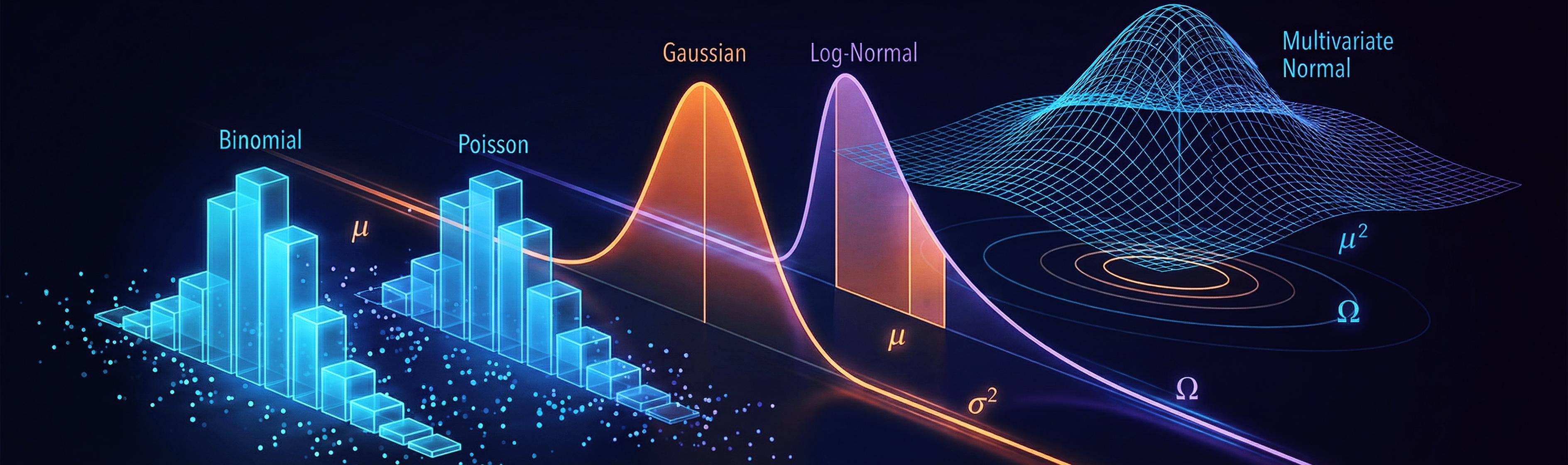
A practical review of the probability distributions central to pharmacometric modeling: from the Binomial to the Multivariate Normal. Understanding the building blocks before we build the model.
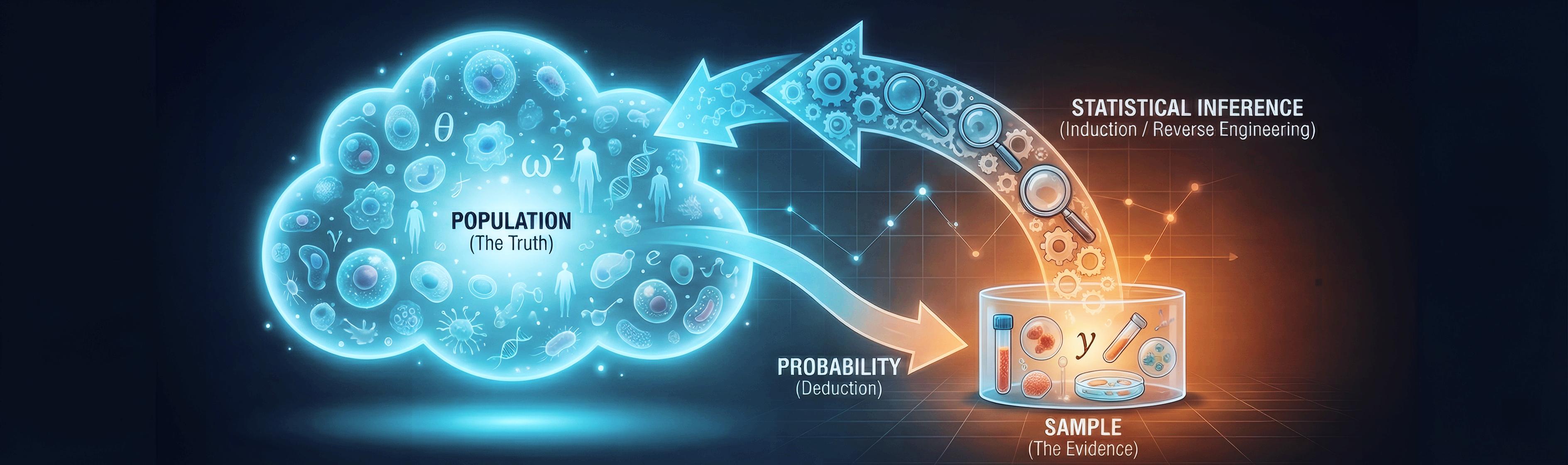
Establishing the fundamental distinction between Population and Sample, between Probability and Statistical Inference. Why modeling is reverse engineering, and why code is not a model.
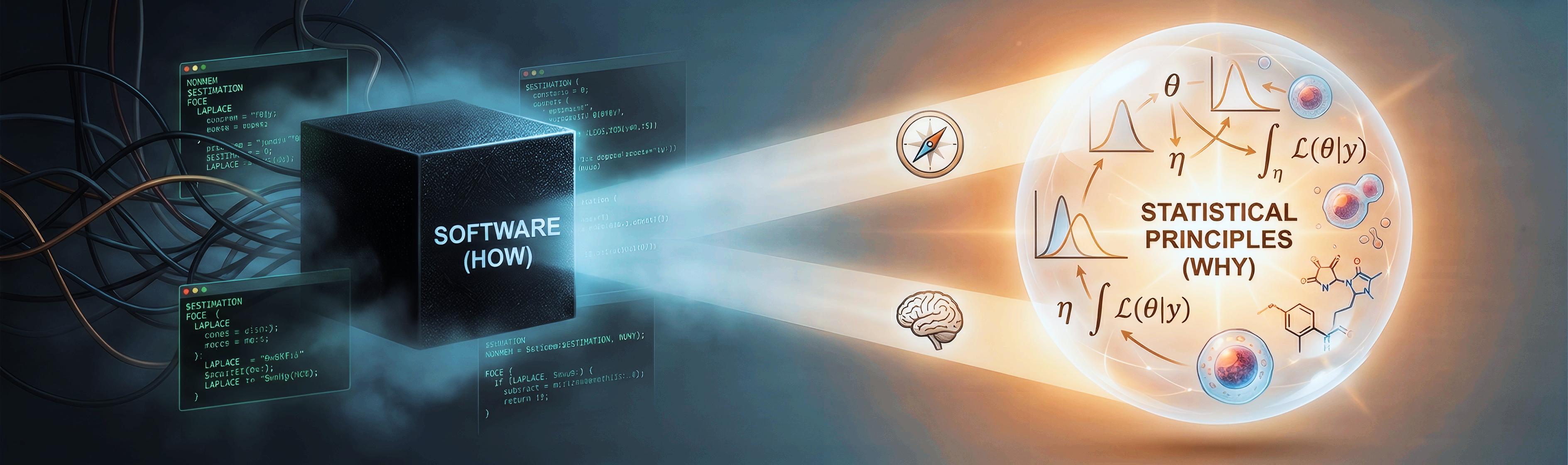
An introduction to a blog series on pharmacometric statistics based on Adrian Dunne's workshop. Establishes the core philosophy: understand the 'Why' behind the algorithms, not just the 'How' of the software.

The Explorer's Field Guide: A complete index of the Unsupervised Learning series, summarizing 9 algorithms with their core analogies and a master decision compass.

Master Association Rules: The 'Symbiosis Scouter'. Learn how Apriori finds hidden partnerships (Support, Confidence, Lift) in your data ecosystem.

Master Anomaly Detection: The 'Rare Species Hunter'. Learn how Isolation Forest (20 Questions) and LOF (Loneliness Index) find outliers in your data.

Master t-SNE and UMAP: The 'Origami Masters' of data. Learn how to unfold High-D 'crumpled paper' manifolds to reveal hidden structures that PCA misses.

Master PCA: The 'Photographer' of data. Learn how to find the best camera angles (principal components) to capture the most detail (variance) in your data.

Master GMM: The 'Explorer in the Fog' of clustering. Learn how to map overlapping 'hills' of data, handle uncertainty with soft clustering, and master the EM algorithm.